Synthetic Membranes

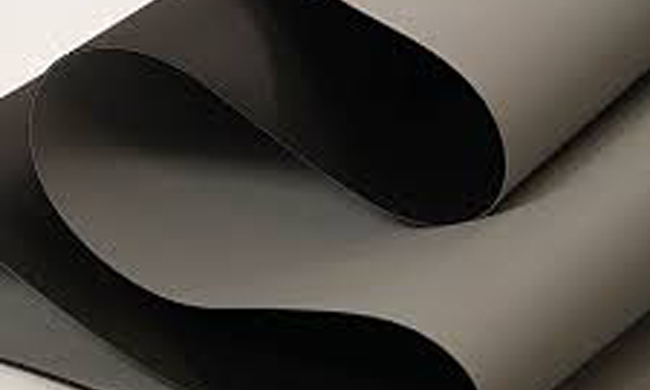
Synthetic membranes are used for waterproofing in environmental projects (lakes, canals, landfills), in underground structures (tunnels, retention basins), passive waterproofing, and on rooftops (green roofs and rooftops with photovoltaic panels).

Depending on the application, the appropriate type is recommended based on criteria such as raw material, thickness, whether reinforced or unreinforced, and technical specifications.
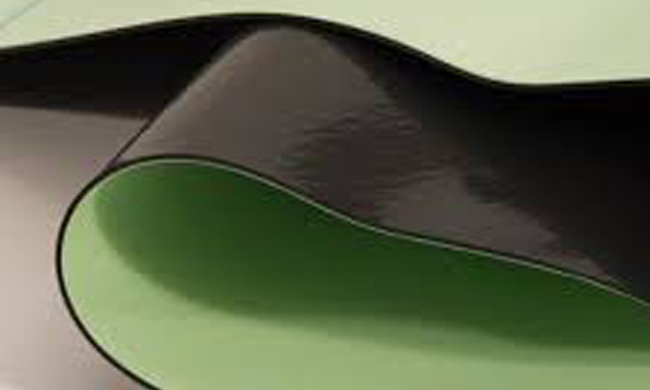
HDPE:
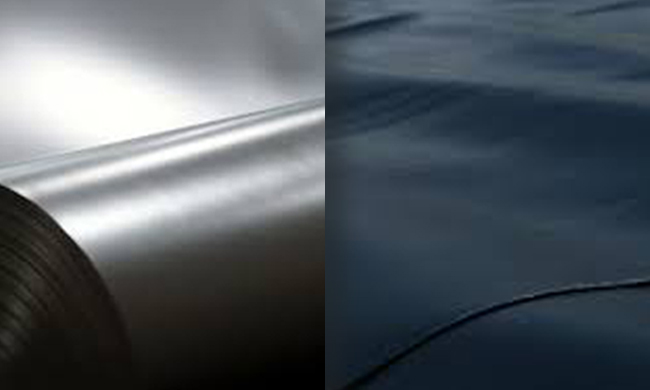
High-density polyethylene (HDPE) membranes (HDPE) are an excellent choice for environmentally sensitive waterproofing projects due to their exceptional mechanical and chemical properties, providing long-term environmental protection. HDPE membranes offer exceptional strength, flexibility, and resistance to root penetration.

There is also reinforced HDPE, which offers high strength despite its very thin wall thickness. This type is recommended primarily for tanks used either in irrigation projects or for storing liquids containing chemical waste. Custom dimensions are available to prevent joints.

PVC:
They are used in underground structures, such as tunnels (bored and cut-and-cover tunnels) and waterproof. They are flexible and easy to use. They are manufactured with a special signal layer so that any puncture or tear in the membrane during installation can be easily detected.

Fully Bonded Synthetic Membranes (Fully Bonded Systems) are a new alternative method for the passive waterproofing of underground structures. They are bonded to the concrete, and no partitioning is required. This bonding prevents water from circulating within the structure.

TPO:
They are mainly used on rooftops and green roofs. They are either unreinforced or reinforced with fiberglass or polyester. They provide UV protection. In addition, they are available in white for extra reflectivity and are suitable for use with photovoltaic panels using a special mounting system that does not damage the membrane.