
Geosynthetics

The functions of geosynthetic products include separation, protection, filtration, drainage, reinforcement, and erosion control. They are used in applications such as the separation of natural materials, the protection of membranes or other engineered materials, the filtration and drainage of groundwater from particles and碎石, reinforcing retaining walls and soil in road construction, and providing erosion control on slopes.
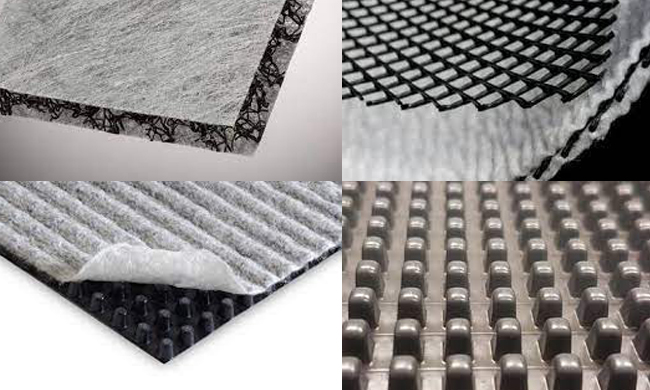
GEOTEXTILES:
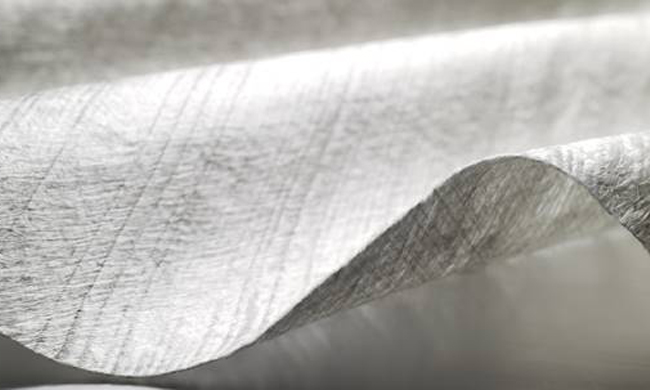
Geotextiles are classified based on their manufacturing method (continuous yarn or staple fibers) and their raw material: virgin polypropylene, recycled, blended, and polyester. These factors, along with their weight, determine their application as well as their other technical characteristics.

DRAINAGE MEMBRANES:
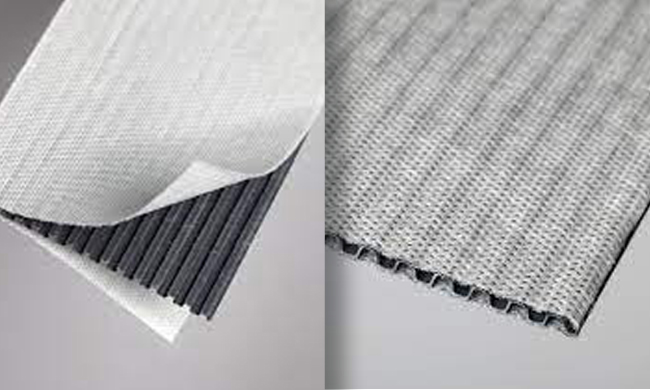
There are various types of drainage membranes, depending on the application and the conditions at the project site. Drainage membranes have either an impermeable core or a permeable core, without geotextile, or with geotextile laminated to one or both sides.

VERTICAL DRAINAGE PIPES:
In very loose (sandy) soils where deep or longitudinal reinforcement and drainage are necessary, vertical drains are used. They consist of a compact polymer drainage core covered with heat-bonded geotextile. This eliminates the risk of injury during installation and results in a geosynthetic with high performance characteristics.

GEOGRAPHICAL GRIDS:
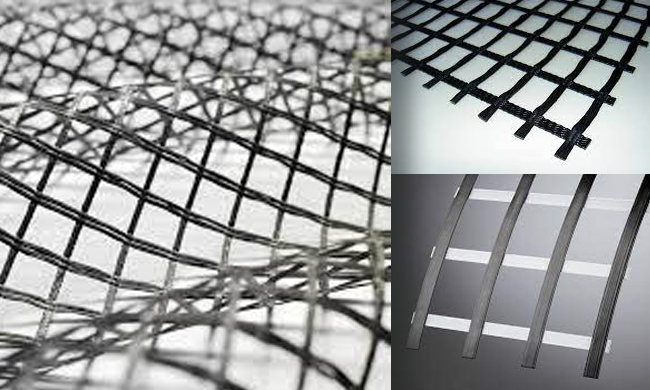
Uniaxial or biaxial geogrids, which are selected on a project-by-project basis based on their tensile strength and long-term strength, calculated using reduction factors. In addition, geogrids are used in road construction to reinforce the subgrade and prevent the propagation of cracks. Geogrids are made of polyester or fiberglass with a polymer coating.

REINFORCING GEOSYNTHETICS:
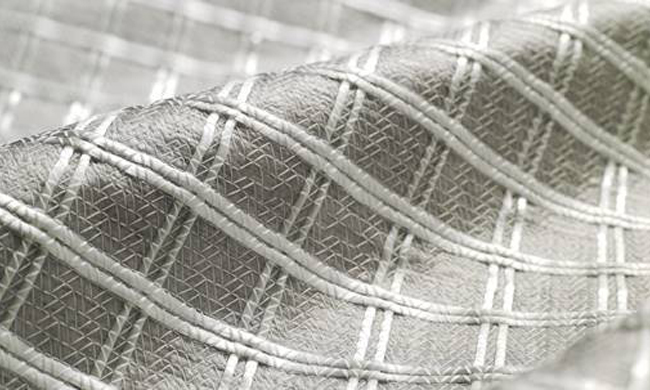
Biaxial or uniaxial geogrids with bonded geotextile for soil reinforcement and stabilization, both long-term and short-term. They are used in embankments, foundations, roads, soft soils, railway projects, and airports.

THREE-DIMENSIONAL MESHS:
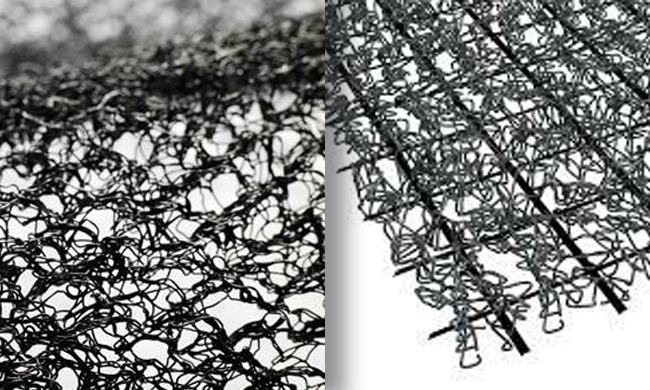
Three-dimensional nets are made of either polypropylene or polyamide. Polyamide offers significantly higher levels of UV protection. Therefore, it is the better choice because it has a longer service life. The 3D geogrids can also be reinforced with a geomat, depending on the application.

YUTA:
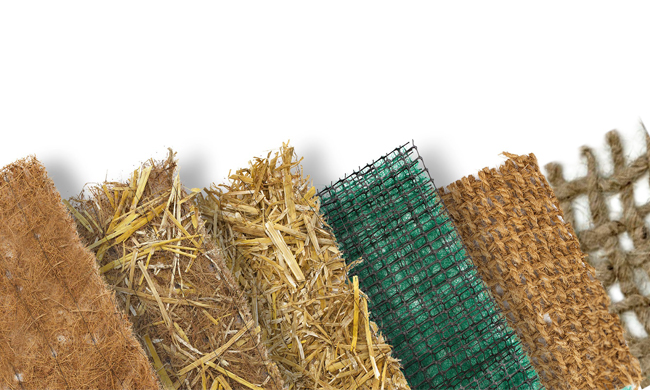
A more environmentally friendly method of corrosion protection is the use of mats made from JUTE or COCOFIBER, which are biodegradable and must be water-sown. After a period of about one year, these materials biodegrade, and the plant roots take over the role of providing erosion control.

GEOCELLS:
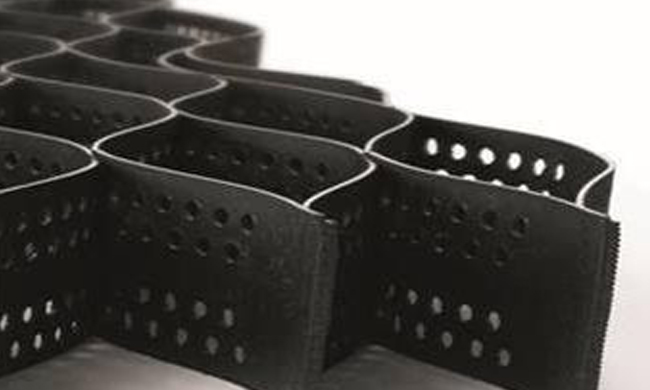
Geocells are widely used in construction for erosion control, stabilizing soil on flat ground and steep slopes, protecting channels, and providing structural reinforcement for load-bearing and soil retention. They vary in cell height and cell opening and are manufactured from high-density polyethylene (HDPE).